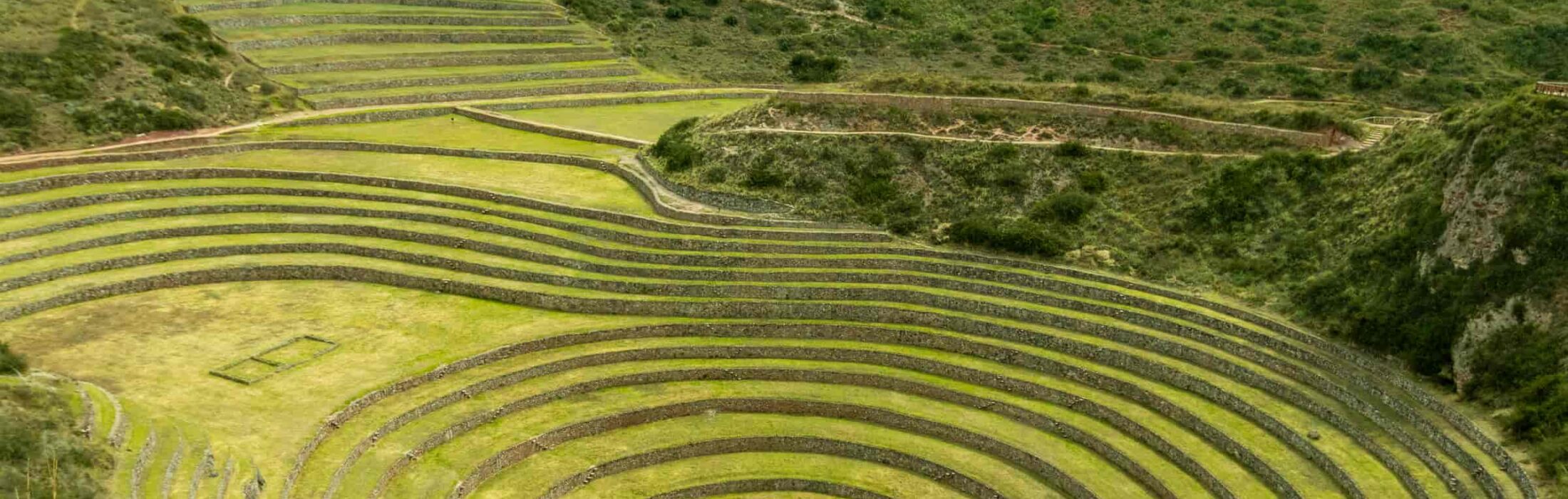
Moray is an archaeological gem in Peru’s Sacred Valley, about 50 km northwest of Cusco. This Inca site features three massive circular terraces carved into the earth like giant green bowls. The largest depression is 30 meters (98 feet) deep, with terraces that create microclimates—some say the Incas used them as an agricultural lab to test crops at different altitudes. Walking here feels surreal; the symmetry of the terraces clashes with the wild Andes around them. As a guide, I’ve brought hundreds of visitors here, and everyone asks the same question: “How did they build this without modern tools?” Truth is, nobody knows for sure. Theories range from crop experiments to ceremonial use, but the ingenuity is undeniable. The site isn’t as crowded as Machu Picchu, but midday tours get busy. Pro tip: Visit early to hear the wind whistle through the terraces—it’s spooky and cool.
How to Get There
Most trips start in Cusco. From there, it’s a 1.5-hour drive through the Sacred Valley. You can hire a taxi (120-150 soles roundtrip), join a group tour, or take a colectivo (shared van) from Cusco to Urubamba, then a mototaxi to Moray. The road from Maras village to Moray is unpaved and bumpy—4×4 vehicles handle it best. Many tours combine Moray with the Maras Salt Mines (20 minutes away). Public buses are rare; organized tours save time.
What to Wear
- Light layers: Mornings are chilly (around 10°C), but midday sun hits hard.
- Sturdy sneakers or hiking shoes: Terraces have uneven stone steps.
- Sun hat and sunglasses: Zero shade on the open plains.
- Windbreaker: Afternoons get windy, kicking up dust.
- Comfortable pants: Avoid skirts—stairs are steep and narrow.
Best Time to Visit
Dry season (May-September) is ideal. Clear skies let you appreciate the terraces’ geometry, and trails stay dry. June-August is peak season—arrive before 9 AM to avoid tour groups. Rainy season (November-March) turns paths muddy, but the surrounding fields glow green. However, heavy rains can close the site temporarily. Shoulder months (April, October) offer quieter visits but unpredictable showers. Temperatures swing from 5°C at dawn to 22°C by noon. Winter nights (June-July) sometimes frost the terraces, creating a magical (but slippery) scene.
Recommended Tours
- Half-Day Moray & Maras Tour: Combines the terraces with salt mines.
- Sacred Valley Full-Day Tour: Includes Pisac, Ollantaytambo, and Chinchero.
- Bike Tour: Ride downhill from the highlands to Moray via dirt trails.
- Agricultural Tours: Learn about Inca farming techniques and local potato varieties.
- Photography Tours: Golden-hour visits for soft lighting on the terraces.
What to Bring
- 1L Water: High altitude (3,500m) dehydrates fast.
- Cash (soles): Entrance fee (70 soles for Sacred Valley ticket), snacks, and tips.
- Sunscreen (SPF 50+): UV radiation is intense at this elevation.
- Camera: The terraces’ patterns are mesmerizing from above.
- Snacks: Only a few vendors sell chips and drinks onsite.
- Small backpack: Keep hands free for climbing stairs.
- Rain poncho (Nov-Mar): Sudden downpours are common.
Common Restrictions
Peruvian law prohibits walking on the terraces’ lower levels—stick to marked viewpoints. Drones require permits from the Ministry of Culture; fines start at 1,000 soles for illegal use. Groups larger than 15 need special authorization to reduce erosion. No touching the stone walls—oils from skin damage the masonry. Climate restrictions: During heavy rains, the site closes due to landslide risks. Frost-covered stairs in winter can be treacherous—guides may shorten tours if icy. Respect sacred spaces: Locals still perform rituals here; don’t disturb offerings like coca leaves or flowers.
Recommended Age
Moray suits all ages, but mobility matters. The main viewpoints are flat, but climbing the upper terraces involves steep, uneven steps. Elderly visitors or those with knee issues should stay on the perimeter paths. Kids under 7 need close supervision—no guardrails on some edges. Pregnant travelers can visit but should avoid crowded staircases. I’ve guided families with strollers, but wheels get stuck in gravel. For wheelchair users, the upper platform offers partial views.
About the Local Communities
The nearby villages of Maras and Misminay are Quechua-speaking farming communities. Most families grow corn, quinoa, and potatoes using traditional methods. Many work as guides, drivers, or artisans selling woven goods near the site. Tourism has brought electricity and roads, but some homes still lack running water. Be respectful: Always ask before taking photos of people. Support locals by buying choclo (giant Andean corn) or handmade pottery. Avoid giving candy to kids—donate school supplies through tour agencies instead.
Local Culture and Traditions
Moray’s terraces reflect the Inca’s deep connection to agriculture. Locals believe the site was a gift from Pachamama (Earth Mother) to teach crop diversity. Even today, farmers honor the Apus (mountain spirits) with offerings during planting season. Festivals like Moray Raymi (September) celebrate the Inca New Year with music, dances, and mock crop-planting rituals. Traditional diets include chuño (freeze-dried potatoes) and qochayuyo (algae from Lake Chinchaycocha). Women weave textiles using backstrap looms—patterns symbolize mountains or constellations. If invited to a home, accept chicha (fermented corn drink) as a sign of trust.
Final Tips and Alternatives
Moray is a must-see for history buffs, but pair it with Maras for a fuller experience. Arrive early, wear grippy shoes, and pack layers. For similar sites, visit the circular terraces of Tipón near Cusco or the agricultural ruins of Pisac. If you love engineering, Ollantaytambo’s stonework will impress. Hardcore hikers can trek the 4-day Inca Trail to Machu Picchu. Remember: Moray isn’t just ruins—it’s a living lesson in Inca genius. Respect the terraces, tip your guide, and shout “Añay!” (thanks in Quechua) to the spirits!